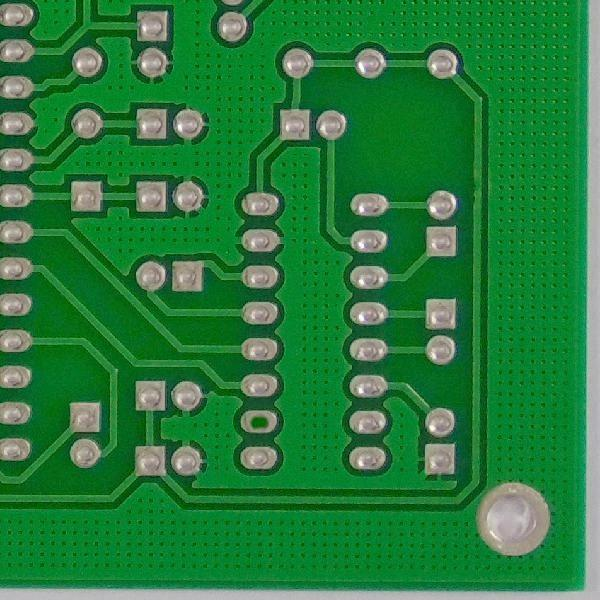
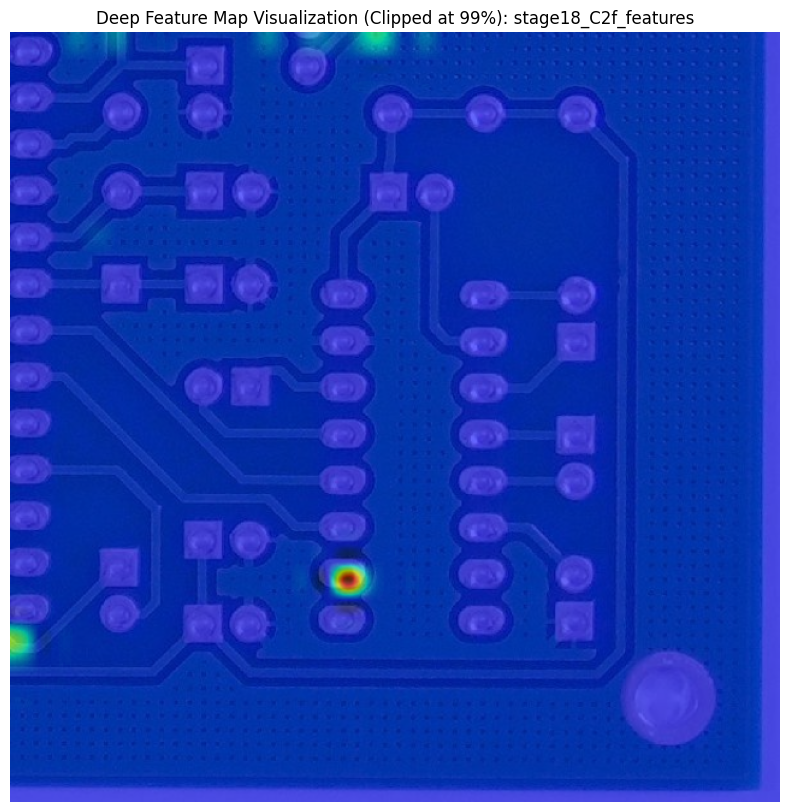
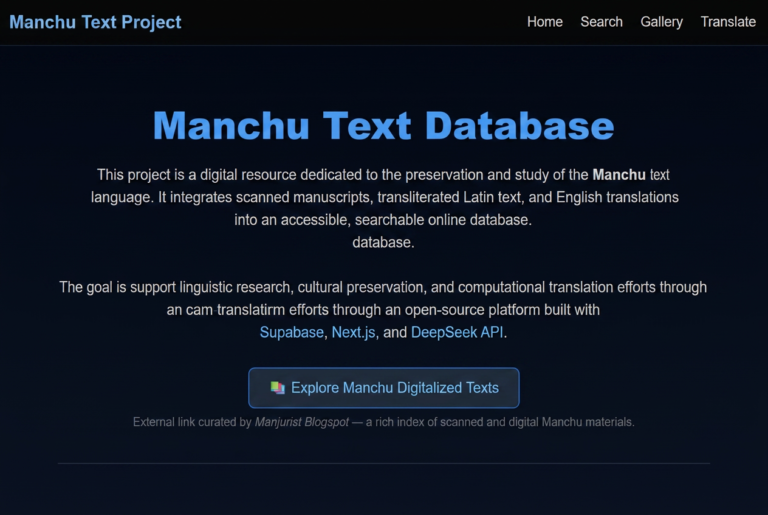
PROJECTS PROJECTS Color Sorting Robotic Arm Python, OpenCV, Arduino (C), Raspberry Pi • Developed a real-time color detection pipeline in Python using OpenCV on Raspberry Pi for object classification• Implemented multi-servo robotic control in Arduino (C) to actuate base, arm, and gripper for automated sorting• Designed a distributed control architecture with Raspberry Pi handling vision processing and Arduino handling motioncontrol• Integrated serial communication between controllers to achieve synchronized detection-to-actuation workflow• Automated boot-time execution and deployment scripts to enable fully autonomous system startup Colour Sorting Robotic Arm.pdf :https://pdfhost.io/v/xWdp4JbqBW_Colour_Sorting_Robotic_Arm PCB Defect Detection Python, PyTorch, YOLOv8, OpenCV, Grad-CAM, Google Colab • Developed an automated PCB defect detection pipeline using YOLOv8 for accurate identification of manufacturing faults• Utilized the HRIPCB dataset and performed preprocessing to prepare images and annotations for YOLOv8 training• Fine-tuned the model over extended training runs (≈12 hours on GPU) improving accuracy from 92.5% to 96.8% and recallfrom 93.6% to 99.4%• Achieved strong detection performance with 98.4% F1-score and 98.7% mAP@50 through hyperparameter tuning andaugmentation strategies• Implemented Grad-CAM visualizations to generate interpretable heatmaps highlighting defect-relevant regions Manchu Database and Translation Next.js, Supabase, DeepSeek API • Designed and implemented a structured Manchu–Latin–English database using Supabase to store and manage multilinguallexical entries• Digitized and curated historical dictionary sources, processing and validating hundreds of entries for consistency• Built a responsive Next.js interface with search, gallery, and translation views supporting paginated browsing and filtering• Managed archival image storage and retrieval using Supabase Buckets with optimized linking to database records• Integrated DeepSeek API to provide on-demand Manchu–English translation within the web interface WEB LINK : manchu-project.vercel.app